
 New Launch
 Ready to Move
 Owner Properties
 Budget Homes
 Premium Homes
 Under Construction
 Plots
Plots
 Apartment / Flat
 Villa
Villa
 Farmhouse
 Office Space
 Retail / Shop
 Noida
Noida Jaipur
 Bengaluru
 Dehradun
 Goa
Goa Gurgaon
 Ghaziabad
 Greater Noida
 New Dehli
 Greater Noida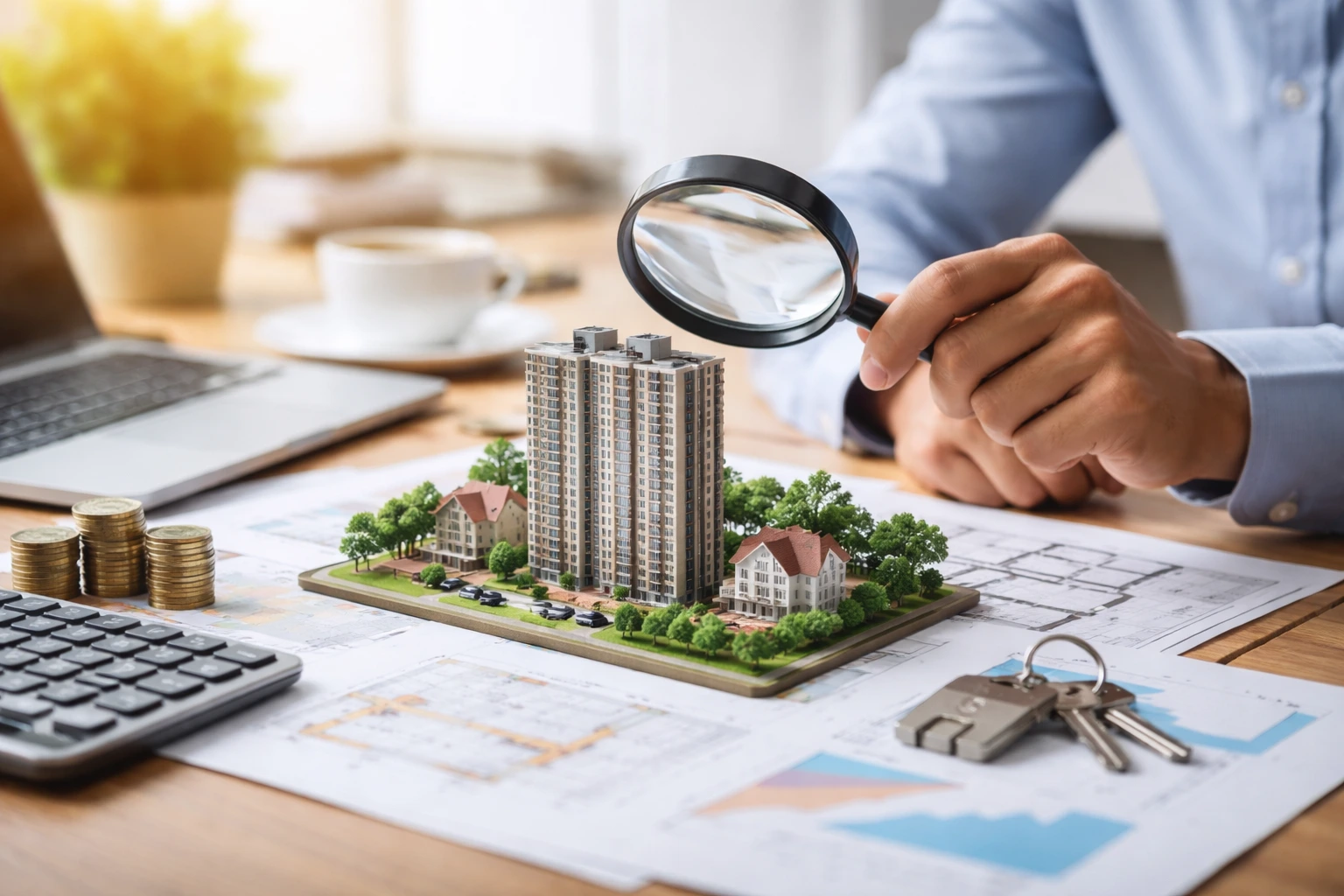
Buying a real estate project in India is a major financial decision. For most people, it involves years of savings and long-term planning. That is why choosing the right project is not just important, it is essential. A well-informed decision can bring steady returns and security, while a poor choice can create long-term stress.
Here is a detailed guide to help you make a practical and beneficial decision.
Understand Your Investment Goal
Before selecting any project, you must be clear about your purpose. Some buyers purchase property for self-use, while others look at it as an investment option.
If your goal is rental income, then you should focus on areas where demand is consistently high. If you are planning for long-term appreciation, then upcoming or developing areas can offer better value over time. Clarity in your goal helps you avoid confusion later.
Location Plays the Biggest Role
Location is the most important factor in real estate. Even an average project in a strong location can give better returns than a premium project in a weak area.
You should look at connectivity first. Check how well the area is linked to highways, metro stations, and major roads. Also, nearby schools, hospitals, and markets increase the livability of the project.
Another important aspect is future development. Areas with planned infrastructure projects usually see higher price growth. This makes location a key driver of both comfort and returns.
Research the Builder Carefully
The reputation of the developer plays a huge role in your investment safety. A reliable builder ensures quality construction and timely delivery.
You should check the builder’s past projects and see if they were completed on time. Customer feedback can also give a clear idea about their reliability. If a builder has a history of delays or disputes, it is better to avoid such projects.
A trusted developer reduces the chances of unexpected problems.
Check Legal Documents Properly
Legal verification is one of the most important steps that many buyers ignore. This can lead to serious problems later.
Make sure the project has clear land ownership and all required approvals. Registration under real estate regulatory laws is also important as it ensures transparency and accountability.
You should also verify that there are no legal disputes related to the property. Taking professional help for document verification is always a smart decision.
Know the Total Cost Involved
The price shown in advertisements is usually not the final cost. Many additional charges are added later.
You need to consider expenses like registration charges, taxes, maintenance fees, and other hidden costs. These can significantly increase your total investment.
Understanding the full cost helps you plan your finances better and avoids surprises at the last stage.
Check Construction Quality
Construction quality directly affects your long-term experience and property value. Good quality construction ensures durability and reduces maintenance costs.
If possible, visit the site personally. You can also check the builder’s completed projects to understand their quality standards. Pay attention to finishing, materials used, and overall design.
This step gives you a realistic picture beyond brochures and advertisements.
Evaluate Return on Investment
A good real estate project should offer both rental income and capital appreciation. To judge this, you need to study the local market.
Check rental demand in the area and compare property prices with nearby locations. Areas with strong demand and limited supply usually perform better.
Do not depend only on sales promises. Instead, look at actual market trends and data before making a decision.
Look at Future Growth Potential
Smart investment is about thinking ahead. The future growth of an area plays a major role in property appreciation.
Look for signs like upcoming infrastructure, business hubs, or increasing population. These factors indicate that the area may develop further in the coming years.
Investing early in such locations can give better returns compared to already developed and expensive areas.
Ready-to-Move vs Under-Construction
Both options have their advantages, and your choice should depend on your situation.
Ready-to-move properties offer immediate possession and lower risk. You can see exactly what you are buying. On the other hand, under-construction properties are usually priced lower and may give better returns in the future.
However, they come with some risk related to delays. So, your decision should match your financial stability and risk capacity.
Final Thoughts
Choosing the best real estate project requires time, patience, and proper research. You should focus on practical factors like location, builder reputation, legal safety, and long-term growth.
Avoid making decisions based on emotional pressure or marketing offers. Take your time to verify every detail and compare options carefully.
A well-planned investment not only gives financial benefits but also brings peace of mind for years to come.
```